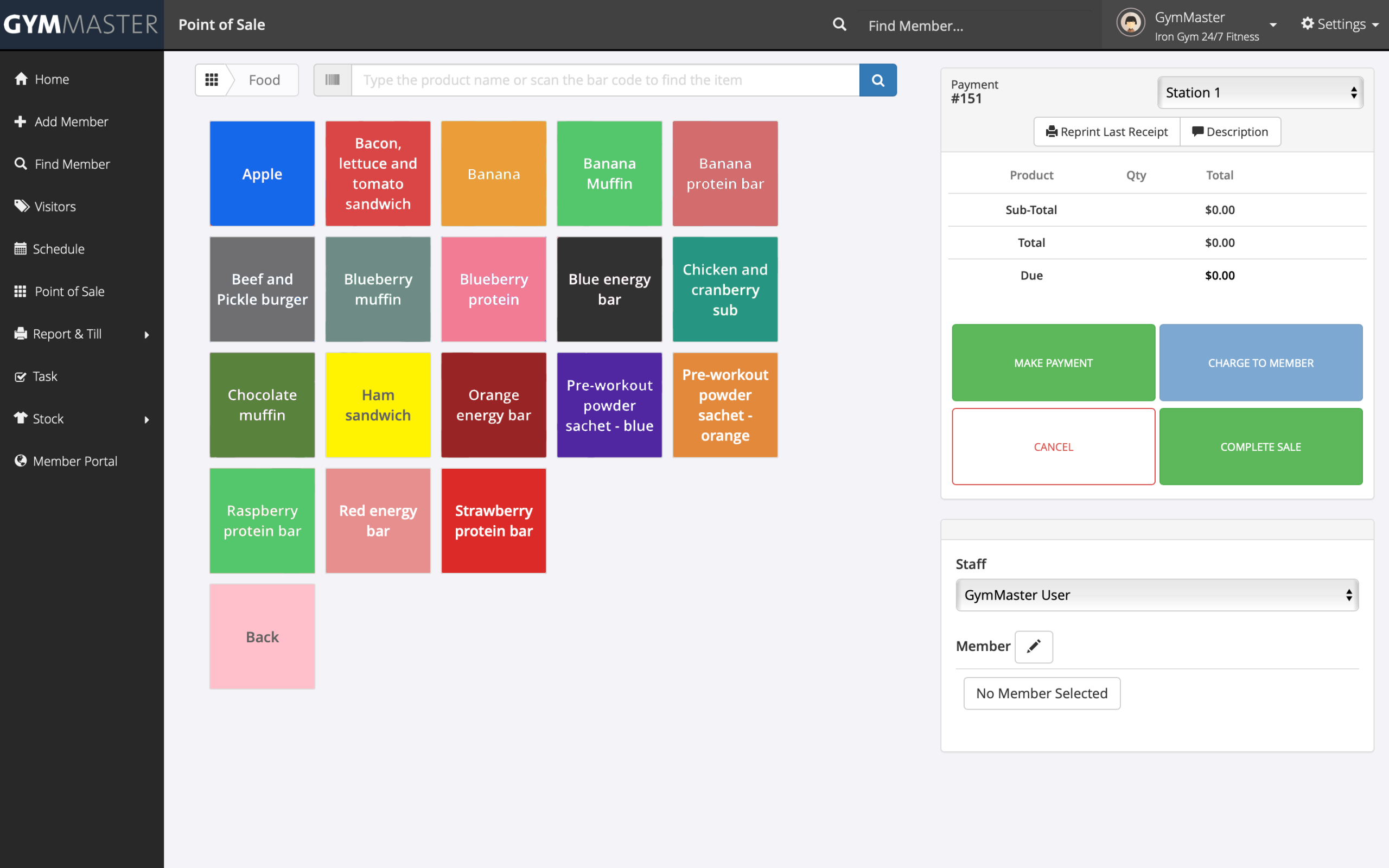
 In an era where digital transformation is reshaping the way organizations function, attendance tracking is no longer confined to manual registers or basic spreadsheets. Whether it’s a school, attendance register app , sports club, or event-based organization, the need for accurate attendance records and improved accountability has never been greater. That’s where attendance register apps come in—powerful, intuitive tools designed to streamline attendance management, eliminate human error, and foster a culture of transparency and responsibility.
Let’s explore how an attendance register app can revolutionize the way you manage attendance and why it’s become essential for modern organizations.
Table of Contents
1. Eliminates Manual Errors and Data Inconsistencies
Manual attendance tracking is not only time-consuming but also prone to errors—misspelled names, incorrect dates, and misplaced sheets are just a few common problems. Attendance register apps automate the entire process, ensuring every check-in and check-out is logged with precise time stamps and without duplication.
Since the data is stored digitally, inconsistencies are easily flagged and corrected. This accuracy is critical for environments where attendance records are linked to payroll, performance evaluations, or compliance reporting.
2. Real-Time Record Keeping
Traditional attendance systems typically require someone to input data after the fact. This delay creates opportunities for inaccuracies and makes it hard to respond in real-time. Attendance apps, on the other hand, log data instantly. As soon as someone marks themselves present, the record is updated in real-time.
This feature is especially useful in large teams or schools where attendance must be monitored across multiple locations. Real-time access allows administrators to spot absentee trends early, act on no-shows, and make immediate staffing or scheduling adjustments when necessary.
3. Multiple Attendance Modes
Attendance register apps often support various check-in options—QR code scanning, biometric verification, GPS location tracking, NFC tags, or facial recognition. These methods provide flexibility and cater to different organizational needs while ensuring high levels of security and accuracy.
For example:
GPS-based check-ins are perfect for remote or field-based employees.
QR code scans are efficient for classrooms or club events.
Biometric and facial recognition offer a high level of accuracy for high-security environments.
This flexibility not only simplifies the user experience but also reduces the likelihood of buddy punching or fraudulent check-ins.
4. Improves Accountability and Transparency
When attendance data is visible and accessible, accountability naturally increases. Attendance register apps allow both individuals and administrators to see records in real time. Employees or members can view their own attendance logs, while supervisors have full visibility into team attendance trends.
This transparency builds trust—everyone knows the data is impartial, automated, and not subject to manipulation. In school settings, parents can even receive alerts or reports on their child’s attendance, increasing their involvement and awareness.
5. Saves Time for Admins and Managers
Gone are the days when managers had to spend hours tallying attendance sheets, verifying records, and preparing reports. Attendance apps automate these tasks, allowing for:
One-click generation of monthly or weekly attendance reports
Automatic leave deductions based on absence records
Exporting data for payroll or academic systems
Easy filtering and segmentation by date, department, or location
With this automation, administrators can redirect their time toward more strategic and value-driven work, improving overall operational efficiency.
6. Supports Compliance and Audit Requirements
In many sectors—like education, construction, healthcare, and finance—maintaining accurate attendance records is a legal and regulatory necessity. Non-compliance can lead to audits, fines, or other serious consequences.
Attendance register apps provide a secure, time-stamped audit trail for every record. Because the data is stored in the cloud and often backed up automatically, there’s no risk of losing physical records or files. During audits, compliance officers can quickly access historical attendance data, greatly simplifying the process.
7. Customizable Alerts and Notifications
Most attendance apps come with customizable notifications to keep everyone informed. For instance:
Employees receive reminders to clock in or out.
Managers are alerted when a team member is absent or late.
Parents get notified if their child misses a class.
Event organizers can be informed about no-shows in real-time.
These alerts help correct attendance issues as they happen, reducing long-term problems like absenteeism or tardiness. They also keep stakeholders proactively engaged in managing attendance.
8. Improves Performance Tracking and HR Insights
Attendance data isn’t just about presence—it’s a key performance indicator. Over time, patterns begin to emerge that can inform bigger decisions about team productivity, reliability, and morale.
HR professionals and school administrators can use this data to:
Identify high performers with consistent attendance
Spot red flags in attendance behavior
Address underlying causes of chronic absenteeism
Tailor interventions or support plans for individuals who need them
Ultimately, these insights can improve employee retention, student success rates, and overall organizational culture.
9. Mobile Access for On-the-Go Management
One of the biggest advantages of digital attendance register apps is mobile accessibility. Whether you’re a teacher taking attendance from your phone, a coach checking player availability, or a project manager tracking field staff, mobile functionality ensures you can stay on top of attendance no matter where you are.
This is especially beneficial for distributed teams, remote staff, and event-based environments where a desktop-based solution isn’t practical.
10. Eco-Friendly and Cost-Efficient
Shifting from paper-based attendance to digital apps also supports eco-friendly practices. No more printing daily rosters, maintaining bulky files, or wasting office supplies. Over time, the savings on paper, ink, and administrative overhead add up significantly.
Furthermore, cloud-based attendance apps reduce the need for physical storage space and maintenance costs associated with traditional attendance hardware.
Conclusion
Attendance register apps have evolved from simple digital sign-in tools to robust platforms that support accuracy, accountability, and efficiency. By eliminating manual errors, enabling real-time tracking, and fostering transparency, these tools empower organizations to manage their teams, students, or members more effectively.
Whether you’re running a business, a classroom, a club, or an event, an attendance register app isn’t just a convenience—it’s a strategic asset that improves compliance, saves time, and enhances overall performance.
If your organization still relies on manual processes or outdated systems, now is the time to explore the benefits of digital attendance tracking. The shift will not only simplify your workflows but also set a new standard for accountability and excellence.