Top 10 Tips For Assessing The Validity Of A Model Based On Real-Time Data Of An Ai Trading Predictor
The performance and reliability of a stock trading AI predictor is only verified with real-time information. Validating a model under real-time conditions ensures that it can adapt to live market dynamics and maintain accuracy in its predictions. Here are 10 top suggestions for assessing the validity of a model using real-time data:
1. Utilize Walk-Forward Analyses
The reason: Walkforward analysis permits continuous model validation by simulating live trading.
How do you implement the walk-forward optimization approach where the model’s performance can be evaluated by comparing it against previous data. This helps you determine how the model performs in a real-world setting in the context of unknowable data.
2. Check performance metrics on regular basis
The reason: Continuous tracking of performance metrics allows you to identify any issues and deviations from expected behavior.
How to set up a procedure to monitor the performance indicators of key importance (KPIs), such as return on investment (ROI), Sharpe ratio and drawdown, on real-time data. Regularly monitoring will ensure that the model performs in the manner expected over time.
3. Test the model for adaptability to the changing market conditions
Why: Markets can change quickly, and models have to be updated to keep up with the changing times.
How: Assess how the model’s response is to abrupt shifts in market trends or volatility. Test the model’s performance with different market environments.
4. Real-time Data Feeds
What’s the reason? Accurate and up-to-date information are essential for accurate forecasts of model performance.
Make sure that the inputs to the model are of high-quality, real-time data, including volume, economic indicators and price. The data should be constantly updated to reflect current trends.
5. Conduct Out-of -Sample Testing
The reason: Tests of the model using data it hasn’t previously seen before validates its effectiveness.
What is the best way to use an independent dataset that was not used in the training process for the model to evaluate the model’s performance. Comparing the results to the results from the in-sample can help you check for overfitting.
6. Try the model in the context of trading on paper
The paper trading market is a risk-free method to assess model performance without the risk of financial risk.
How to run it: Run it in a virtual trading system that is based on real-time conditions. This lets you see how the model performs without investing any money.
7. Set up a strong feedback loop
The reason: Continuous learning from performance in real-time is essential for continuous improvement.
How: Establish a feedback system where the model learns from its results and predictions. Include techniques like reinforcement-learning to adjust strategies according to the latest performance information.
8. Examine slippage and execution
What is the reason? Execution and slippage in real-time trades can have an impact on the accuracy of models.
How: Use execution metrics to compare predicted entry/exit pricing against actual prices for execution. Evaluate slippage to refine trading strategies and increase the reliability of the model.
9. Analyze the real-time impact of the transaction cost
The reason: Transaction costs can dramatically impact profits, especially when you employ frequent trading strategies.
Include estimates for transaction costs (such as spreads and fees) in your real-time performance assessments. Realistic assessments require an knowledge of the real impact trading costs can have on net returns.
10. Models should be reevaluated and maintained regularly
The reason is that because markets for finance are ever-changing and always changing, it is necessary to review the parameters of models regularly and performance.
How to set a time for periodic reviews of the model to check the performance of the model and make the necessary adjustments. This may involve retraining a model using new data or tweaking parameters to improve precision based on the latest market research.
Following these tips can help you to evaluate the model validation for an AI forecaster of stock prices based on real-time data. You’ll be able to ensure that your AI forecaster is able to adapt and reliable in live market conditions. Have a look at the best Nasdaq Composite info for blog tips including stock picker, best site for stock, best site for stock, ai ticker, stock market and how to invest, stock analysis websites, ai to invest in, ai trading apps, artificial intelligence for investment, trading stock market and more.
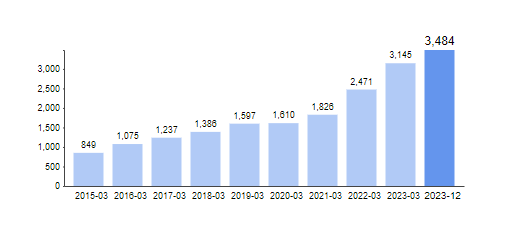
Alphabet Stocks Index Top 10 Tips To Assess It Using An Ai Stock Trading Predictor
Alphabet Inc. stock is best evaluated using an AI trading model for stocks that takes into account the business operations of the company along with market dynamics and economic factors. Here are ten excellent suggestions to evaluate Alphabet Inc.’s stock effectively with an AI trading system:
1. Alphabet’s Diverse Businesses Segments – Understand them
What is Alphabet’s business? It includes search (Google Search) and advertising cloud computing (Google Cloud), as well as hardware (e.g. Pixels, Nest).
Know the contribution of each sector to revenue. Understanding the drivers for growth within these industries aids the AI model to predict the overall stock performance.
2. Incorporate industry trends and the the competitive landscape
What’s the reason? Alphabet’s success is influenced by trends in digital advertising, cloud computing as well as technological advancement, as well as competition from companies like Amazon as well as Microsoft.
How do you ensure that the AI model is able to analyze relevant trends in the industry including the rise of online advertising, the rate of cloud adoption and shifts in consumer behaviour. Include performance information from competitors and the dynamics of market share for complete understanding.
3. Review Earnings Reports and Guidance
Earnings announcements are a major element in the fluctuation of stock prices. This is particularly relevant for companies that are growing like Alphabet.
How to: Keep track of the earnings calendar of Alphabet and consider the ways that earnings surprises in the past and guidance impact stock performance. Also, include analyst forecasts to evaluate the future of revenue, profits and growth outlooks.
4. Utilize the Technique Analysis Indicators
What is the reason: The use of technical indicators will help you determine price trends, momentum, or potential reverse point.
How: Incorporate analytical tools such moving averages, Relative Strength Indices (RSI), Bollinger Bands and so on. into the AI models. They can be extremely useful for determining how to enter and exit.
5. Macroeconomic indicators Analysis of macroeconomic indicators
Why: Economic conditions such inflation, interest rates, and consumer spending have a direct impact on Alphabet’s overall performance.
How to improve predictive abilities, ensure the model includes important macroeconomic indicators like the rate of growth in GDP, unemployment, and consumer sentiment indexes.
6. Utilize Sentiment Analysis
The reason: Market sentiment is a powerful influence on stock prices. This is also true in the tech industry as well as news and perceptions play an important role.
How can you use sentiment analysis of social media platforms, news articles, and investor reports to gauge the public’s perception of Alphabet. The inclusion of data on sentiment could give some context to the AI model.
7. Follow developments in the regulatory environment
What’s the reason? Alphabet is under the scrutiny of regulators due to antitrust concerns, privacy concerns as well as data security and the performance of its stock.
How: Stay current on changes to legal and regulatory laws that could affect Alphabet’s Business Model. To accurately predict movements in stocks the model should take into consideration possible regulatory implications.
8. Do Backtesting based on Historical Data
Why is it important: Backtesting is a method to verify how the AI model performs on the basis of the past price changes and other important incidents.
How do you use the previous data on the stock of Alphabet to test the prediction of the model. Compare the predicted outcome with actual performance to evaluate the accuracy and reliability of the model.
9. Measuring the Real-Time Execution Metrics
What’s the reason? The efficiency of execution is crucial to maximising profits, especially with an unstable company such as Alphabet.
How do you monitor execution in real-time metrics such as fill and slippage rates. Analyze how well the AI determines the best opening and closing points for trades involving Alphabet stocks.
Review the size of your position and risk management Strategies
Why? Because an effective risk management system can safeguard capital, especially in the technology sector. It is unstable.
What should you do: Ensure that the model is based on strategies to manage risk and setting the size of your position according to Alphabet stock volatility and the risk of your portfolio. This method minimizes the risk of losses while increasing return.
These suggestions will assist you to determine the capabilities of an AI stock trading prediction software to accurately analyze and predict developments in Alphabet Inc. stock. Take a look at the most popular a replacement on stock market ai for site info including best stock analysis sites, ai in trading stocks, stock market how to invest, ai publicly traded companies, stock market investing, ai intelligence stocks, ai stock investing, ai trading apps, ai to invest in, artificial intelligence stock trading and more.